

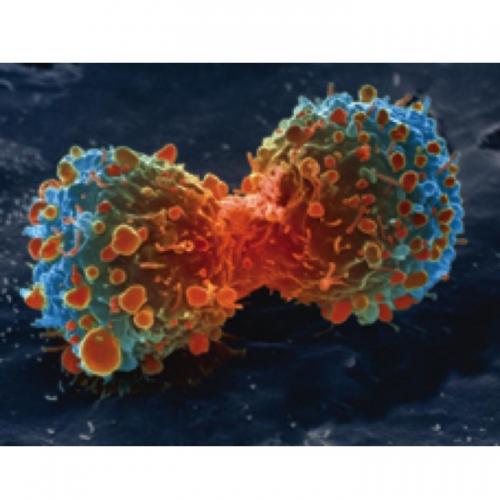
Lung cancer currently ranks as the leading cause of cancer-related deaths in men and women. Although continuing to decline in men, incidence rates remain steady in women. Trends in lung cancer-related death reflect trends in smoking over the past several decades.1 In 2023, the American Cancer Society estimates 238,340 new cases and 127,070 deaths due to lung and bronchus cancer in the United States.2
Watch the full interview with Edward Levitt a lung cancer survivor and the founder of The Lung Cancer Alliance of Georgia.
Below is a list of the information found within this section:
- Anatomy of the Lungs
- Types of Lung Cancer
- Risk Factors
- Symptoms
- Detection and Diagnosis
- Pathology Report & Staging
- Lung Cancer Tumor Biology
- Treatment
- Lung Cancer Resources
- Section Summary
Interactive game from CQ
Watch the full interview with lung cancer researcher Dr. Gerold Bepler.
Anatomy Of The Lungs
Human lungs are two spongy organs located on each side of the heart. During inhalation, air flows from the nose or mouth through the pharynx (throat) and larynx (which contain the vocal cords) into the trachea (wind pipe). The trachea divides into two bronchi, which direct air into the right and left lungs.
Within the lungs, the bronchi divide into several smaller bronchioles. Air flows from bronchioles into tiny air sacs, called alveoli. A group of alveoli is referred to as a lobule. Lobules are, in turn, grouped into lobes. The left lung contains two lobes, whereas the right contains three.

A network of tiny blood vessels, called capillaries, surrounds the alveoli. The lining of these blood vessels is so thin that oxygen and carbon dioxide can move between the capillaries and the alveoli. Carbon dioxide diffuses from the capillaries into the alveoli and is released from the body during exhalation. Oxygen diffuses in the opposite direction, from the alveoli into the blood, and is carried throughout the body by the circulatory system.
Most lung cancers begin in epithelial cells lining the bronchi.3 Cancers that develop in epithelial cells are known as carcinomas
Lung cancer is divided into 2 main types, small cell lung cancer (SCLC) and non-small cell lung cancer (NSCLC). The category of the cancer determines the treatment options.
Small Cell Lung Cancer
Small cell lung cancer (SCLC) accounts for about 15% of all lung cancers.4 Also known as oat cell carcinoma or small cell undifferentiated carcinoma, SCLC tends to be aggressive. The cancer often grows rapidly and spreads to other parts of the body including lymph nodes, bone, brain, adrenal glands, and the liver.5 Risk of developing SCLC is highly associated with tobacco smoking. Less than 5% of patients diagnosed with the disease have never smoked.5
Non-Small Cell Lung Cancer
Non-small cell lung cancer (NSCLC) is divided into three categories, based on appearance and other characteristics of the cancerous cells:
- Squamous cell carcinoma (SCC): SCC accounts for approximately 25-30% of all lung cancer cases. SCC is highly associated with tobacco smoking and usually develops in the central region of the lungs.3
- Adenocarcinoma: Adenocarcinomas account for approximately 40% of all lung cancer cases. This cancer type usually develops in the outer region of the lungs.3
- Large Cell Carcinoma (LCC): LCC accounts for approximately 10-15% of all lung cancer cases. LCC is associated with rapid tumor growth and poor prognosis.3
Other, less common types of lung cancers include carcinoid tumors, adenoid cystic carcinomas, hamartomas, lymphomas, and sarcomas.3
Watch the full interview with Dr. Gerold Bepler.
Risk Factors
The risk factors for lung cancer include4:
- Smoking (especially cigarettes, pipes, cigars)
- Secondhand smoke and air pollution
- Radon gas released from soil and building materials
- Family history
- Asbestos
- Metals like chromium, cadmium, arsenic
- Chronic lung diseases such as tuberculosis
- Radiation
- Diesel exhaust
- Paint
The relative effects of these and other risk factors in any given case of cancer are variable and very difficult to determine with accuracy at this time. Some of these and other risk factors are discussed below.
Family History of Lung Cancer
It is possible to inherit defective genes that lead to the development of a familial form of a particular cancer type. For example, certain genes influence a person's ability to metabolize some of the carcinogenic chemicals in cigarette smoke.6 An individual with inherited susceptibility that chooses to smoke may be at an increased the risk of developing lung cancer compared to other smokers.
Risk is higher if an immediate family member has been diagnosed with lung cancer. The more closely related an individual is to someone with lung cancer, the more likely they are to share the genes that increased the risk of the affected individual. Risk also increases with the number of relatives affected.
Learn more about the genetics of lung cancer here.
Watch the full interview with Dr. Gerold Bepler.
Smoking
Smoking is, by far, the leading risk factor for lung cancer. Risk increases with both quantity and duration of smoking.4 In 2004, the United States Surgeon General released a report addressing the harmful effects of smoking on health (The Health Consequences of Smoking: A Report of the Surgeon General). Included in the report were the following statements:
- "The evidence is sufficient to infer a causal relationship between smoking and lung cancer."
- "Smoking causes genetic changes in cells of the lung that ultimately lead to the development of lung cancer."
- "Although characteristics of cigarettes have changed during the last 50 years and yields of tar and nicotine have declined substantially...the risk of lung cancer in smokers has not declined."
There are more than 60 molecules in cigarette smoke that are thought to be carcinogenic in humans and laboratory animals.7 Two carcinogens highly associated with lung cancer are benzo[a]pyrene and N-nitrosamine NNK. These molecules bind to DNA and proteins; the toxin and the DNA are together called an adduct. The presence of adducts increases the chance of DNA mutation and interferes with the proper function of proteins. Learn more about DNA mutations. The presence of adducts is directly related to smoking status. Studies show that the level of adducts drops when a person quits smoking.8
Second-Hand Smoke
Exposure to second-hand smoke also greatly increases the risk of lung cancer. In 2006, the Surgeon General released a report addressing the harmful effects of second-hand smoke on health (The Health Consequences of Involuntary Exposure to Tobacco Smoke: A Report of the Surgeon General). According to the report, second-hand smoke contains over 50 cancer-causing chemicals and can lead to many health problems, including lung cancer. The effects of second-hand smoke are especially harmful to the developing lungs of infants and children.9
Radon
Radon is a naturally occurring, colorless, odorless gas. Exposure to radon is one of the leading risk factors for lung cancer, possibly contributing to 10% of all lung cancer cases.10 The mechanism by which radon leads to cancer is still unclear. Laboratory studies with radon have shown cellular damage that appears comparable to the damage caused by tobacco smoke, suggesting a similar mechanism of action. The production of reactive oxygen intermediates that can cause DNA damage is a likely event in mutagenic process caused by radon.11
Asbestos
Asbestos is a naturally occurring mineral that was frequently used in commercial construction throughout the 1950s and 1960s. The long, thin fibers of asbestos are fragile and have a tendency to break down into dust particles. Asbestos particles are easily inhaled into the lungs, where they cause damage to lung tissue that can lead to lung cancer.
Individuals who are exposed to asbestos and tobacco smoke are at a significantly increased risk of lung cancer. Studies suggest that asbestos particles may help deliver concentrated tobacco carcinogens to cells lining the lungs.12However the exact mechanism by which asbestos, alone or in combination with tobacco smoke, leads to lung cancer is still uncertain.
Chronic Lung Diseases
Chronic lung diseases such as asbestosis (scarring of lung tissue caused by asbestos), asthma, chronic bronchitis, emphysema, pneumonia, and tuberculosis have been suggested to increase risk of lung cancer.13 All of these diseases damage lung tissue and can result in scar tissue on the lungs.
As often is the case, it is difficult to distinguish between correlation (a relationship) and causation (an actual cause). As an example: the increased incidence of lung cancer in individuals with a history of chronic bronchitis (or emphysema) may be due to a genetic predisposition that increases susceptibility to both the bronchitis (or emphysema) AND cancer. In this instance, the first disease does not CAUSE the second.
On the other hand, the chronic diseases may aid in the accumulation of harmful toxins in the lungs, resulting in cell/tissue damage and CAUSING an increase in cancer.13 Further studies are needed to clearly determine if the observed correlation is actually a causative one.
Symptoms
There are no symptoms associated with early stage lung cancer. The American Cancer Society lists the following symptoms associated with advanced stage lung cancer.4 A physician should be consulted if they persist. It is important to note, however, that these symptoms may be caused by factors unrelated to cancer:
- Persistent cough
- Sputum streaked with blood
- Chest pain
- Voice change
- Recurrent pneumonia or bronchitis
Detection And Diagnosis
Detection
Despite ongoing investigation into screening technology, research shows that lung cancer death rates have not improved. At the time they are diagnosed, the majority of lung cancers have progressed to an advanced state.14 Lung cancer screening is not currently routine practice.15 The disease is sometimes caught in its early stages by tests that are performed for other reasons. The most common methods of lung cancer detection include:
- chest x-ray
- chest CT (computer tomography) scan,
- bronchoscopy (insertion of a tube into the bronchi), and
- sputum cytology (examination of cells in the phlegm).16
These links will take you to the Detection and Diagnosis section. Return to view the rest of the lung cancer information.
For more information about cancer detection, refer to the Detection and Diagnosis section.
The Pathology Report And Staging
The Pathology Report
If there is suspicion that a patient may have lung cancer, a sample of tissue (biopsy) may be taken for examination. After a biopsy is taken, the physician who performed the biopsy sends the specimen to a pathologist. The pathologist examines the specimen at both the macroscopic (visible with the naked eye) and microscopic (requiring magnification) levels and then sends a pathology report to the physician. The report contains information about the tissue's appearance, cellular makeup, and state of disease or normalcy. For more information about pathology reports, refer to the Diagnosis & Detection section.
Staging
Staging a cancer is a way of describing the extent of the disease. One of the most common methods used for cancer staging is called the T/N/M system, which assigns a degree of severity based on the size, location, and spread of cancer in the body. Staging of non-small cell lung cancer (NSCLC) follows the TNM criteria. Details of this system can be found in the Diagnosis and Detection section.
Because small cell lung cancer (SCLC) is often diagnosed at a more advanced state, the T/N/M system is not used. Instead small cell lung cancer is usually staged using the Veterans Administration Lung Study Group System, a 2-stage system based on location of the cancer. Most small cell lung cancers are diagnosed in the extensive stage.5
- Limited-stage: The cancer is located in only one lung and lymph nodes on the same side of the body
- Extensive-stage: The cancer has spread to the other lung and/or other regions of the body
Tumor Biology
Genetic changes that occur in cancer include mutation of key regulatory genes, changes in protein products, and changes in the amount of product produced by genes (gene expression). As changes accumulate, cells become more abnormal and cancer progresses. Details of genetic change associated with cancer can be found in the Mutation section. There are over 100 genes known to be associated with the development of lung cancer. 17Some of the most frequently altered genes are listed below and discussed in the following sections:
- Ras
- Myc
- Rb
- TP53
- Epidermal Growth Factor Receptor (EGFR)
Ras
Ras is an oncogene that is altered in up to 30% of nonsmall cell lung cancers (NSCLC).17 The ras protein is involved in transmitting signals through the cell that drive the cell into the division process. Learn more about Ras
Myc
The Myc family of oncogenes are expressed abnormally in many types of cancer, including lung cancer. The myc protein acts as a transcription factor to regulate the expression of several genes. Learn more about transcription and transcription factors. Myc protein expression is altered in up to 80% of small cell lung cancers (SCLC).17Learn more about Myc
Rb
The retinoblastoma gene (Rb) is a tumor suppressor altered in up to 90% of small cell lung cancers (SCLC).17Learn more about tumor suppressors The Rb protein interacts with transcription factors to indirectly control cell division. Learn more about Rb
TP53
TP53 (or P53) is a tumor suppressor gene altered in up to 50% of non small cell lung cancers (NSCLC) and 80% of small cell lung cancers (SCLC).17 The p53 protein interacts with DNA and other proteins to play an important role in the regulation cell growth and division, as well as programmed cell death, or apoptosis. Learn more about TP53
Epidermal Growth Factor Receptor
EGFR (epidermal growth factor receptor), also known as erbB1 and HER1, is a gene that encodes for a tyrosine kinase located in the cell membrane of epithelial cells. The EGFR protein is involved in response to growth factors and, under the right conditions, can stimulate epithelial cell division. Overexpression of the EGFR protein occurs in approximately 60-85% of squamous cell carcinomas and 50% of large cell and adenocarcinomas. Overexpression of EGFR is seen only infrequently (0-5%) in small cell lung cancer (SCLC).18
Currently, there are two types of therapies directed against EGFR. Monoclonal antibodies bind to the region of EGFR located outside the cell, preventing other (activating) molecules from binding. Tyrosine kinase inhibitors, on the other hand, bind to the section of EGFR located inside the cell, interfering with the activities of the receptor normally induced by the binding of an activator.19
Learn more about the use of antibodies in cancer treatment
Learn more about kinase inhibitors in cancer treatment
Treatment
As our focus is on the biology of the cancers and their treatments, we do not give detailed treatment guidelines. Instead, we link to organizations in the U.S. that generate the treatment guidelines.
The National Comprehensive Cancer Network (NCCN) lists the following treatments for lung cancer:
For more information about how these and other cancer treatments work, refer to the Cancer Treatments section.
Information about clinical trials:
- General clinical trial information from CancerQuest
- Click here for information about clinical trials from the National Cancer Institute.
Click here for information about clinical trials from Georgia Clinical Trials Online.
Lung Cancer Resources
Risks for Lung Cancer
Lung Cancer Risks (Mayo Clinic)
Lung Cancer Risk Factors (ACS)
Detection and Diagnosis of Lung Cancer
Winship Cancer Insitute: Lung Cancer Diagnosis and Staging Make an Appointment
What You Need To Know About: Lung Cancer
Non-Small Cell Lung Cancer (ACS)
Lung Cancer Treatments
How is Lung Cancer Treated? (CDC)
Non-Small Cell Lung Cancer Treatment
Small Cell Lung Cancer Treatment
Lung Cancer Survivorship
List of Resources to Help You (or Someone You Care About) Quit Smoking (on CancerQuest)
Long Term Risks for Lung Cancer Survivors
Managing Symptoms and Side Effects
Managing Treatment Side Effects
International Lung Cancer Resources
International Association For The Study Of Lung Cancer
Lung Cancer Risks (Cancer Research UK)
Canadian Cancer Society: Lung Cancer
Section Summary
Introduction
- Lung cancer currently ranks as the leading cause of cancer related death in men and women.
- Most lung cancers begin in epithelial cells lining the bronchi.
Types of Lung Cancer
- Lung cancer is divided into 2 main types, small cell lung cancer (SCLC) and non-small cell lung cancer (NSCLC).
- SCLC tends to be an aggressive cancer and is highly associated with tobacco smoking.
- The majority of lung cancer cases are NSCLC which itself is subdivided into three categories: squamous cell carcinoma, adenocarcinoma, and lung cell carcinoma.
Risk Factors
- Smoking and second-hand smoke are, by far, the leading risk factors for lung cancer.
- Lung cancer risk is higher if an immediate family member has been diagnosed with lung cancer.
- Chemicals such as radon and asbestos increase lung cancer risk.
- Chronic lung diseases have also been implicated as a lung cancer risk.
Symptoms
- Advanced stage lung cancer symptoms: persistent cough, sputum streaked with blood, chest pain, voice change, recurrent pneumonia or bronchitis.
Detection and Diagnosis
- Common detection methods are chest x-ray, chest CT scan, bronchoscopy, and sputum cytology.
Pathology Report and Staging
- A tissue biopsy of the lung is examined by a pathologist in order to create a pathology report.
- NSCLC uses the T/N/M staging system which assigns a degree of severity based on size, lymph node involvement, and spread of the cancer.
- SCLC is diagnosed as either limited or extensive depending on the spread of the cancer.
Lung Cancer Tumor Biology
- Many genetic changes occur in cancer. Details can be found in the Mutation section.
- Alterations in Ras, Myc, Rb, TP53, and EGFR have been implicated in the development of lung cancer.
Treatment
- Lung cancer treatments include surgery, chemotherapy and radiation therapy.
Know The Flow
Know the Flow is an educational game for you to test your knowledge. To play:
- Drag the appropriate choices from the column on the right and place them in order in the boxes on the left. Note that you will only use five of the six choices to complete the game.
- When done, click on 'Check' to see how many you got correct.
- For incorrect answers, click on 'Description' to review information about the processes.
- To try again, choose 'Reset' and start over.
Please visit us on a larger screen to play this game.
- 1 Alberg AJ, Brock MV, Samet JM. "Epidemiology of lung cancer: looking to the future." Journal of Clinical Oncology (2005): 23(14):3175-85 [PUBMED]
- 2 American Cancer Society.Cancer Facts & Figures 2023. Atlanta: American Cancer Society. (2023). Retrieved from https://www.cancer.org/research/cancer-facts-statistics/all-cancer-facts-figures/2023-cancer-facts-figures.html
- 3abcde What is non-small cell lung cancer? American Cancer Society (Accessed October 2010). [http://www.cancer.org/Cancer/LungCancer-Non-SmallCell/OverviewGuide/lung-cancer--non-small-cell--overview-non-small-cell-lung-cancer]
- 4abcd Cancer Facts and Figures 2013. American Cancer Society. [http://www.cancer.org/acs/groups/content/@epidemiologysurveilance/documents/document/acspc-036845.pdf]
- 5abc Jackman DM, Johnson BE. "Small-cell lung cancer." Lancet (2005); 366(99494):1385-96 [PUBMED]
- 6 Yang P, Bamlet WR, Ebbert JO, Taylor WR, de Andrade M. "Glutathione pathway genes and lung cancer risk in young and old populations." Carcinogenesis (2004); 25(10):1935-44 [PUBMED]
- 7 Pfeifer GP, Denissenko MF, Olivier M, Tretyakova N, Hecht SS, Hainaut P. "Tobacco smoke carcinogens, DNA damage and p53 mutations in smoking-associated cancers." Oncogene (2002); 21(48):7435-51 [PUBMED]
- 8 The Health Consequences of Smoking: A Report of the Surgeon General. United States Department of Health & Human Services. May 27, 2004. [http://www.surgeongeneral.gov/library/smokingconsequences/]
- 9 The Health Consequences of Involuntary Exposure to Tobacco Smoke: A Report of the Surgeon General. United States Department of Health & Human Services. June 27, 2006. [http://www.surgeongeneral.gov/library/secondhandsmoke/report/]
- 10 Zielinski JM, Carr Z, Krewski D, Repacholi M. "World Health Organization's International Radon Project." Journal of Toxicology and Environmental Health, Part A (2006); 69(7):759-69 [PUBMED]
- 11 Alavanja MC. "Biologic damage resulting from exposure to tobacco smoke and from radon: implication for preventative interventions." Oncogene (2002); 21(48):7365-75 [PUBMED]
- 12 Nelson HH, Kelsey KT. "The molecular epidemiology of asbestos and tobacco in lung cancer." Oncogene (2002); 21(48):7284-8 [PUBMED]
- 13ab Littman AJ, Thornquist MD, White E, Jackson LA, Goodman GE, Vaughan TL. "Prior lung disease and risk of lung cancer in a large prospective study." Cancer Causes and Control (2004); 15(8):819-27 [PUBMED]
- 14 Ganti AK, Mulshine JL. "Lung Cancer Screening." The Oncologist (2006); 11(5):481-7 [PUBMED]
- 15 Humphrey LL, Johnson M, Teutsch S. Lung Cancer Screening: An Update for the U.S. Preventive Services Task Force [Internet]. Rockville (MD): Agency for Healthcare Research and Quality (US); 2004 May. U.S. Preventive Services Task Force Evidence Syntheses, formerly Systematic Evidence Reviews. [PUBMED]
- 16 Can non-small cell lung cancer be found early? American Cancer Society. (Accessed October 2010) [http://www.cancer.org/Cancer/LungCancer-Non-SmallCell/DetailedGuide/non-small-cell-lung-cancer-detection]
- 17abcde Toloza EM, Morse MA, Lyerly HK. "Gene therapy for lung cancer." Journal of Cellular Biochemistry (June 9, 2006); [epub ahead of print] [PUBMED]
- 18 Dowell JE. "Epidermal growth factor receptor mutations in non-small cell lung cancer: a basic science discovery with immediate clinical impact." American Journal of the Medical Sciences (2006); 331(3):139-49 [PUBMED]
- 19 Fish-Steagall A, Searcy P, Sipples R. "Clinical experience with anti-EGFR therapy." Seminars in Oncology Nursing (2006); 22(1 Suppl 1):10-9 [PUBMED]
 Top
Top