

Intro and Background
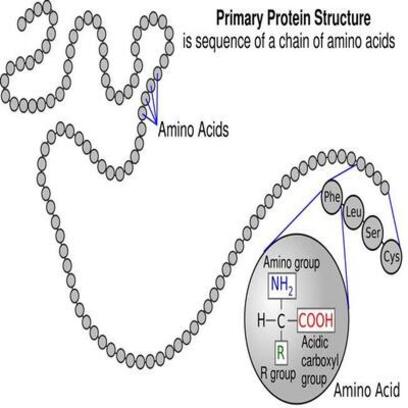
The procedure known as Controlled Amino Acid Therapy (CAAT) seeks to combat cancer by depriving cancer cells of amino acids and other nutrients. Amino acids are essential to the human diet and are the building blocks of proteins used in the body. The theory behind this treatment is that when cancer cells are starved of these nutrients, they will die. CAAT seems to only be administered by the A.P. John Institute for Cancer research, which describes CAAT as an amino acid and carbohydrate deprivation therapy that arrests the growth of tumors and causes them to regress by altering or impairing the development of cancer cells. It is a six-to eight month course of therapy that enhances chemotherapy and/or radiation and lessens toxic effects. 1
Scientific Research
The scientific articles that the A.P. John Institute for Cancer Research quotes as the basis for its method are over forty years old and found in obscure journals.1, 2, 3, 4 There is, however, some recent evidence that a lack of some amino acids (tyrosine, phenylalanine, and methionine) is associated with slowing several types of cancer growth in vitro and in animals.5, 6, 7, 8 In addition, arginine deprivation has been proposed to kill tumor cells.9
There does not appear to be any scientific evidence that the specific Controlled Amino Acid Therapy prevents or treats cancer.
Currently there are no clinical trials involving neither Controlled Amino Acid Therapy, nor are there any studies being conducted on general amino acid deprivation.10 For information about ongoing clinical trials involving Controlled Amino Acid Therapy, please visit our section on Finding Clinical Trials.
US Food and Drug Administration Approval
There is not enough evidence to support the effectiveness of Controlled Amino Acid Therapy in the fight against cancer, and it has not been approved by the FDA for cancer treatment. 11
Please be sure to see our notice on complementary therapies. To better understand and evaluate the research described above, read our Introduction to Scientific Research.
- 1ab Lorincz, A.B., Kuttner, R.E., Response of malignancy to phenylalanine restriction. Nebraska Medical Journal (1965) 50; 609.
- 2 Lorincz, A.B., Kuttner, R.E., Suppression of advanced malignancy disease by restricting phenylalanine intake. Fed. Proc. (1966) 25: 360
- 3 Lorincz, A.B. Kuttner, R.E., Tumor inhibition limiting amino acid diets. (Abstr.) Journal American Medical Association. (1967) 200: 211
- 4 Demopoulos, H.B., Selective inhibition of human pigmented melanomas, in vitro and in vivo, through tyrosinase inhibition. Fed. Proc. (1965) 24: 494.
- 5 E. Cellarier, X. Durando, M.P. Vasson, M.C. Farges, A. Demiden and J.C. Maurizis et al., Methionine dependency and cancer treatment, Cancer Treat. Rev. (2003) 29: 489499. [PUBMED]
- 6 B.A. Pelayo, Y.-M. Fu and G.G. Meadows, Decreased tissue plasminogen activator and increased plasminogen activator inhibitors are associated with inhibition of invasion in human A375 melanoma deprived of tyrosine and phenylalanine, Int. J. Oncol. (2001), 18: 877883. [PUBMED]
- 7 D.E. Epner, S. Morrow, M. Wilcox and J.L. Houghton. Nutrient intake and nutritional indexes in adults with metastatic cancer on a phase I clinical trial of dietary methionine restriction. Nutr. Cancer (2002) 42: 158166. [PUBMED]
- 8 B.A. Pelayo, Y.-M. Fu and G.G. Meadows. Inhibition of B16BL6 melanoma invasion by tyrosine and phenylalanine deprivation is associated with decreased secretion of plasminogen activators and increased plasminogen activator inhibitors. Clin. Exp. Metastasis (1999) 17: 841848. [PUBMED]
- 9 Patil MD, Bhaumik J, Babykutty S, Banerjee UC, Fukumura D. Arginine dependence of tumor cells: targeting a chink in cancer's armor. Oncogene. 2016 Apr 25. [PUBMED]
- 10 National Library of Medicine. (2016). ClinicalTrials.gov Retrieved June 20, 2016. [https://clinicaltrials.gov/ct2/results?term=controlled+amino+acid+therapy&Search=Search]
- 11 US Food and Drug Adminstration website. Accessed 6/20/2016. [http://www.fda.gov/]
 Top
Top